Join our Whatsapp Community for Daily Price Sheets and News

SBI Mutual Fund Unlisted Shares Leads Anchor Investment in JSW Cement's ₹1,080 Crore Raise, Signalling Strong Market Confidence

Neha Sharma
3 min read
sbi-mutual-fund-unlisted-sharesMore about SBI Mutual Fund Unlisted Shares
SBI Mutual Fund Unlisted Shares Leads Anchor Investment in JSW Cement's ₹1,080 Crore Raise, Signalling Strong Market Confidence
6M Change+101.25
View Details

SBI Mutual Fund Unlisted Shares spearheads a consortium of 52 financial institutions by investing ₹275 crore in JSW Cement's anchor investor round. This move underscores the fund's robust investment strategy and positive outlook on the infrastructure and cement sectors. The successful capital raise for JSW Cement highlights investor confidence in growth-oriented companies.

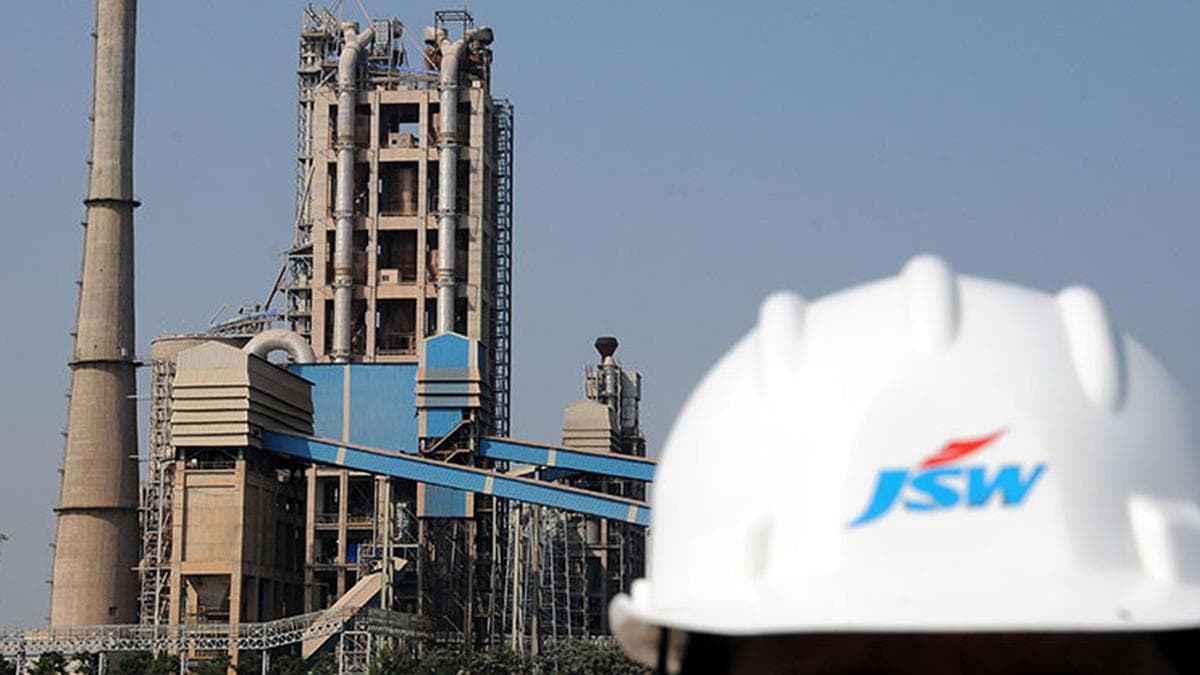
Mumbai - In a significant display of market confidence, SBI Mutual Fund Unlisted Shares has emerged as the leading investor in JSW Cement's recent ₹1,080 crore anchor investor allocation. The IPO committee of JSW Cement, in consultation with Book Running Lead Managers, finalized the allocation of 7.35 crore equity shares to anchor investors at ₹147 per equity share, marking a pivotal moment for the company as it gears up for its public issue.

SBI Mutual Fund Unlisted Shares led the investment round, committing ₹275 crore through its six distinct schemes. This substantial investment reflects the fund's positive assessment of JSW Cement’s growth potential and strategic initiatives. Following closely behind was BlackRock Emerging Frontiers, with an investment of ₹110 crore, further validating the strong interest from both domestic and global financial institutions.

The anchor investor round witnessed participation from a total of 52 financial institutions, indicating broad-based confidence in JSW Cement’s business model and future prospects. Prominent global investors, including Nomura Funds, Blackrock, Stichting Depository APG, UBS Fund Management, the Government of Singapore, Government Pension Fund Global, Principal Funds, Abu Dhabi Investment Authority, Amundi Funds, Morgan Stanley, Kuwait Investment Authority, Florida Retirement System, Societe Generale, Neuberger Berman, and Goldman Sachs, also joined the round.

Domestic institutional investors, such as SBI Life Insurance Company, Nippon Life India, Aditya Birla Sun Life AMC, Tata Mutual Fund, Motilal Oswal Mutual Fund, Baroda BNP Paribas MF, Chartered Finance & Leasing, Axis Max Life Insurance, PGIM India, Abakkus Asset Manager, and Edelweiss Life Insurance, further bolstered the investment. The diverse participation underscores the widespread appeal of JSW Cement's growth story among both international and local investors.

JSW Cement's IPO comprises a fresh issue of equity shares aggregating up to ₹1,600 crore and an Offer for Sale of up to ₹2,000 crore by existing shareholders, with the issue price fixed at ₹147 per equity share. The company has earmarked ₹800 crore from the fresh issue for the construction of a new integrated cement plant in Nagaur, Rajasthan. An additional ₹520 crore is allocated for debt repayment, while the remaining funds will be deployed for general corporate purposes. The public issue is set to close on August 11.

JSW Cement currently operates manufacturing facilities in Vijayanagar (Karnataka), Nandyal (Andhra Pradesh), Salboni (West Bengal), Jajpur (Odisha), and Dolvi (Maharashtra). Additionally, it runs a clinker unit in Odisha through its subsidiary, Shiva Cement. The company's strategic expansion plans and efficient capital allocation are expected to drive future growth and enhance shareholder value.

SBI Mutual Fund Unlisted Shares's leading investment in JSW Cement not only highlights the fund's astute investment strategy but also signals strong market confidence in the infrastructure and cement sectors. This successful capital raise is poised to fuel JSW Cement's growth trajectory, with significant implications for investors and the broader market alike, setting a positive tone for future investment rounds and IPOs within the industry.


Share this article:
Back to All News

Our Blogs

Our blog provides insightful information about unlisted shares, offering a deeper understanding of how these assets work, their potential benefits, and the risks involved. Whether you're new to unlisted shares or looking to expand your knowledge, we cover topics such as investment strategies, valuation methods, market trends, and regulatory aspects. Stay updated with expert tips and guides to navigate the unlisted share market effectively.

FAQ's

What are unlisted shares?

+

Unlisted shares are stocks of companies that are not listed on any stock exchange, meaning they are not publicly traded. These shares are typically available for trade in the private market through brokers, and can offer unique investment opportunities.

How can I buy unlisted shares?

+

You can buy unlisted shares through a broker or platform that specializes in unlisted share transactions. We provide a secure and easy way to purchase unlisted shares from top companies, ensuring a smooth transaction process.

What is the share price of unlisted companies?

+

The share prices of unlisted companies can fluctuate based on various factors like market demand, company performance, and private transactions. You can check the latest share prices for unlisted companies on our website for real-time updates.

Are unlisted shares a good investment?

+

Unlisted shares can offer higher growth potential, as they are typically not subject to the same market volatility as listed shares. However, they come with higher risk due to limited liquidity and availability of information. It's important to research thoroughly and consult experts before investing.

How can I sell unlisted shares?

+

To sell unlisted shares, you can connect with a broker or platform that facilitates the sale of private stocks. We help investors buy and sell unlisted shares with ease, ensuring that your transaction is handled professionally and securely.

What are the risks of investing in unlisted shares?

+

Yes, unlisted shares can eventually be listed on a stock exchange through an Initial Public Offering (IPO). This process allows the company to offer its shares publicly and be traded on major exchanges, potentially increasing liquidity and visibility.

What is the share price of unlisted companies?

+

Gains from unlisted shares are subject to capital gains tax in India. Short-term capital gains (if held for less than 24 months) are taxed at your applicable income tax rate, while long-term capital gains (if held for more than 24 months) are taxed at 20% with indexation benefits. Always consult a tax advisor for precise tax implications.

How do I know the current value of unlisted shares?

+

The value of unlisted shares is typically determined by private transactions, financial reports, and market demand. We provide the latest updates on share prices of unlisted companies, giving you the most accurate valuation available.

Is there a minimum investment amount for unlisted shares?

+

The minimum investment for unlisted shares can vary depending on the company and broker. Generally, the minimum investment is higher than for listed stocks, but we provide detailed information to help you make the best investment decisions.

Can I get a dividend from unlisted shares?

+

Yes, unlisted shares may pay dividends if the company has declared them. However, since these companies may be in their growth stage, dividend payments are not always guaranteed. It's important to check the company's financial health before investing.

How do I know which unlisted shares are worth investing in?

+

It's important to conduct thorough research on the company's financials, management, market potential, and overall business model. You can also seek professional advice from experts to help you choose unlisted shares with strong growth prospects.

Are unlisted shares taxed?

+

Gains from unlisted shares are subject to capital gains tax in India. Short-term capital gains (if held for less than 24 months) are taxed at your applicable income tax rate, while long-term capital gains (if held for more than 24 months) are taxed at 20% with indexation benefits. Always consult a tax advisor for precise tax implications.

WhatsAppContact Us