Join our Whatsapp Community for Daily Price Sheets and News

Nayara Energy Navigates Market Challenges, Strategically Optimizing Operations and Retail Expansion

Neha Sharma
3 min read
nayara-energy-formerly-essar-oil-limited-unlisted-sharesMore about Nayara Energy (Formerly Essar Oil) Limited Unlisted Shares
Nayara Energy Navigates Market Challenges, Strategically Optimizing Operations and Retail Expansion

Despite facing headwinds from potential US tariffs and evolving global oil market dynamics, Nayara Energy (Formerly Essar Oil) Limited Unlisted Shares demonstrates resilience by optimizing refinery operations and expanding its retail presence. The company's proactive approach, including offering refined fuel to state-run refiners and planning significant retail network growth, underscores its commitment to long-term value creation.

In a rapidly evolving energy landscape, Nayara Energy (Formerly Essar Oil) Limited Unlisted Shares is strategically adapting to navigate market challenges and capitalize on emerging opportunities. While recent developments, such as potential US tariffs on India and EU sanctions impacting Russian oil, present complexities for the refining sector, Nayara Energy is proactively optimizing its operations and focusing on long-term growth initiatives.

Recent reports indicate that potential US tariffs could create complications for Indian oil companies, including Nayara Energy (Formerly Essar Oil) Limited Unlisted Shares, concerning crude oil imports and refined fuel exports. Although there is no government directive to cease the purchase of Russian crude, the company is strategically exploring alternative export markets for its refined fuel products. This adaptability is crucial for maintaining stable refinery throughput and mitigating potential margin impacts.

Currently, Nayara Energy (Formerly Essar Oil) Limited Unlisted Shares is running its refinery at approximately 80% capacity, a calculated adjustment to balance production with market demands. Demonstrating its commitment to the domestic market, the company has offered its export volumes of petrol and diesel to Indian state-run refiners and marketers. While the quantity that state refiners can absorb is limited, this gesture highlights Nayara Energy's collaborative spirit and its role in ensuring national energy security.

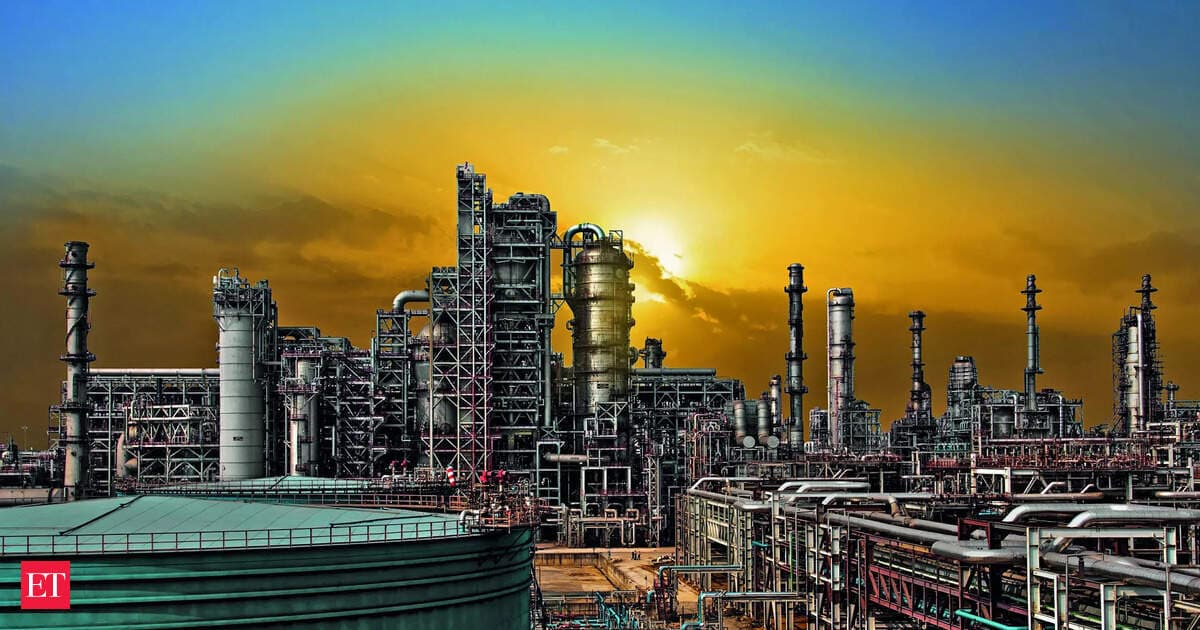
Nayara Energy operates India's second-largest single-location refinery in Vadinar, Gujarat, boasting a substantial capacity of 20 million tonnes per annum. This significant refining capacity positions the company as a key player in India's energy sector, contributing approximately 8% of the nation's total refining output.

Looking ahead, Nayara Energy is strategically expanding its presence in the petrochemical and alternative energy sectors, signaling a forward-thinking approach to diversify its revenue streams and embrace sustainable energy solutions. Furthermore, the company has ambitious plans to significantly expand its retail network. With 6,300 retail outlets already in operation, Nayara Energy aims to increase this number by over 50% by 2030. This expansion will not only enhance the company's market reach but also create new avenues for revenue generation and brand visibility.

Despite near-term market uncertainties, Nayara Energy's strategic initiatives, including refinery optimization, domestic market collaboration, diversification into petrochemicals and alternative energy, and aggressive retail expansion, demonstrate a clear vision for sustainable growth. These proactive measures are expected to enhance the company's resilience and create long-term value for its stakeholders. For investors, Nayara Energy (Formerly Essar Oil) Limited Unlisted Shares represents an opportunity to participate in a dynamic energy company that is strategically positioned to thrive in a changing world, underscoring the potential for value appreciation in the unlisted market.


Share this article:
Back to All News

Our Blogs

Our blog provides insightful information about unlisted shares, offering a deeper understanding of how these assets work, their potential benefits, and the risks involved. Whether you're new to unlisted shares or looking to expand your knowledge, we cover topics such as investment strategies, valuation methods, market trends, and regulatory aspects. Stay updated with expert tips and guides to navigate the unlisted share market effectively.

FAQ's

What are unlisted shares?

+

Unlisted shares are stocks of companies that are not listed on any stock exchange, meaning they are not publicly traded. These shares are typically available for trade in the private market through brokers, and can offer unique investment opportunities.

How can I buy unlisted shares?

+

You can buy unlisted shares through a broker or platform that specializes in unlisted share transactions. We provide a secure and easy way to purchase unlisted shares from top companies, ensuring a smooth transaction process.

What is the share price of unlisted companies?

+

The share prices of unlisted companies can fluctuate based on various factors like market demand, company performance, and private transactions. You can check the latest share prices for unlisted companies on our website for real-time updates.

Are unlisted shares a good investment?

+

Unlisted shares can offer higher growth potential, as they are typically not subject to the same market volatility as listed shares. However, they come with higher risk due to limited liquidity and availability of information. It's important to research thoroughly and consult experts before investing.

How can I sell unlisted shares?

+

To sell unlisted shares, you can connect with a broker or platform that facilitates the sale of private stocks. We help investors buy and sell unlisted shares with ease, ensuring that your transaction is handled professionally and securely.

What are the risks of investing in unlisted shares?

+

Yes, unlisted shares can eventually be listed on a stock exchange through an Initial Public Offering (IPO). This process allows the company to offer its shares publicly and be traded on major exchanges, potentially increasing liquidity and visibility.

What is the share price of unlisted companies?

+

Gains from unlisted shares are subject to capital gains tax in India. Short-term capital gains (if held for less than 24 months) are taxed at your applicable income tax rate, while long-term capital gains (if held for more than 24 months) are taxed at 20% with indexation benefits. Always consult a tax advisor for precise tax implications.

How do I know the current value of unlisted shares?

+

The value of unlisted shares is typically determined by private transactions, financial reports, and market demand. We provide the latest updates on share prices of unlisted companies, giving you the most accurate valuation available.

Is there a minimum investment amount for unlisted shares?

+

The minimum investment for unlisted shares can vary depending on the company and broker. Generally, the minimum investment is higher than for listed stocks, but we provide detailed information to help you make the best investment decisions.

Can I get a dividend from unlisted shares?

+

Yes, unlisted shares may pay dividends if the company has declared them. However, since these companies may be in their growth stage, dividend payments are not always guaranteed. It's important to check the company's financial health before investing.

How do I know which unlisted shares are worth investing in?

+

It's important to conduct thorough research on the company's financials, management, market potential, and overall business model. You can also seek professional advice from experts to help you choose unlisted shares with strong growth prospects.

Are unlisted shares taxed?

+

Gains from unlisted shares are subject to capital gains tax in India. Short-term capital gains (if held for less than 24 months) are taxed at your applicable income tax rate, while long-term capital gains (if held for more than 24 months) are taxed at 20% with indexation benefits. Always consult a tax advisor for precise tax implications.

WhatsAppContact Us