Join our Whatsapp Community for Daily Price Sheets and News

Commodity Market Trends Impacting National Commodity & Derivatives Exchange Shares

Neha Sharma
3 min read
Commodity Market Trends Impacting National Commodity & Derivatives Exchange Shares

Developments in the commodity markets, including crude oil fluctuations and agricultural futures, are creating both challenges and opportunities for National Commodity & Derivatives Exchange Shares. Amidst global economic shifts and policy changes, the exchange is adapting to maintain market stability and foster growth. This resilience underscores its pivotal role in the Indian financial landscape.

The commodity markets are experiencing a dynamic period, influenced by factors ranging from international trade policies to adjustments in production levels. This environment presents both challenges and opportunities for key players like National Commodity & Derivatives Exchange Shares, a vital platform for commodity trading in India.

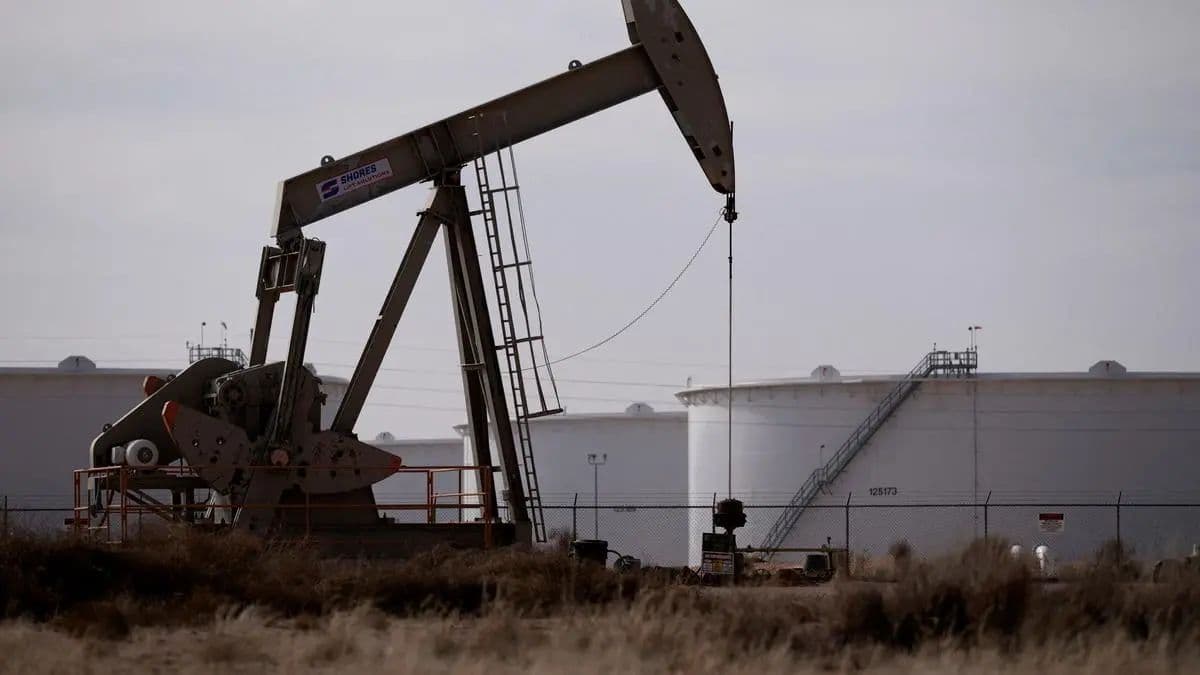
Recent fluctuations in crude oil prices, as highlighted by the decline in futures contracts despite geopolitical tensions, illustrate the complex interplay of market forces. While the article focuses on crude oil and agricultural commodities, these fluctuations have broader implications for the trading strategies and risk management approaches employed by market participants on the exchange. The proposed production adjustments by OPEC+ countries, for example, can influence supply dynamics and, consequently, trading volumes and price volatility on commodity exchanges.

The Ministry of External Affairs' statement regarding India's energy ties with Russia underscores the nation's commitment to ensuring predictable and affordable energy costs for consumers. Such policy decisions impact the overall economic environment in which the National Commodity & Derivatives Exchange Shares operates, influencing trading activity and investor sentiment.

Agricultural commodities also play a significant role on the exchange. The trading patterns of guargum and jeera futures on the National Commodities and Derivatives Exchange (NCDEX) reflect the nuanced dynamics of agricultural markets, influenced by weather patterns, demand fluctuations, and government policies. These trends underscore the importance of a diversified commodity portfolio and the need for market participants to stay informed about a wide range of factors affecting commodity prices.

For investors and shareholders of National Commodity & Derivatives Exchange Shares, these market developments highlight the importance of the exchange's role in providing a platform for price discovery and risk management. The exchange's ability to adapt to changing market conditions and provide innovative trading solutions is critical to its long-term success. As commodity markets continue to evolve, the National Commodity & Derivatives Exchange Shares is expected to play an increasingly important role in facilitating trade, managing risk, and supporting the growth of the Indian economy. Its commitment to technological advancement, regulatory compliance, and investor education will be essential in navigating the complexities of the commodity markets and ensuring sustainable growth for the company and its stakeholders.

Looking ahead, National Commodity & Derivatives Exchange Shares is well-positioned to leverage its market expertise and infrastructure to capitalize on emerging opportunities in the commodity sector. By fostering transparency, promoting innovation, and engaging with stakeholders, the exchange can continue to enhance its value proposition and contribute to the development of a vibrant and resilient commodity market in India.


Share this article:
Back to All News

Our Blogs

Our blog provides insightful information about unlisted shares, offering a deeper understanding of how these assets work, their potential benefits, and the risks involved. Whether you're new to unlisted shares or looking to expand your knowledge, we cover topics such as investment strategies, valuation methods, market trends, and regulatory aspects. Stay updated with expert tips and guides to navigate the unlisted share market effectively.

FAQ's

What are unlisted shares?

+

Unlisted shares are stocks of companies that are not listed on any stock exchange, meaning they are not publicly traded. These shares are typically available for trade in the private market through brokers, and can offer unique investment opportunities.

How can I buy unlisted shares?

+

You can buy unlisted shares through a broker or platform that specializes in unlisted share transactions. We provide a secure and easy way to purchase unlisted shares from top companies, ensuring a smooth transaction process.

What is the share price of unlisted companies?

+

The share prices of unlisted companies can fluctuate based on various factors like market demand, company performance, and private transactions. You can check the latest share prices for unlisted companies on our website for real-time updates.

Are unlisted shares a good investment?

+

Unlisted shares can offer higher growth potential, as they are typically not subject to the same market volatility as listed shares. However, they come with higher risk due to limited liquidity and availability of information. It's important to research thoroughly and consult experts before investing.

How can I sell unlisted shares?

+

To sell unlisted shares, you can connect with a broker or platform that facilitates the sale of private stocks. We help investors buy and sell unlisted shares with ease, ensuring that your transaction is handled professionally and securely.

What are the risks of investing in unlisted shares?

+

Yes, unlisted shares can eventually be listed on a stock exchange through an Initial Public Offering (IPO). This process allows the company to offer its shares publicly and be traded on major exchanges, potentially increasing liquidity and visibility.

What is the share price of unlisted companies?

+

Gains from unlisted shares are subject to capital gains tax in India. Short-term capital gains (if held for less than 24 months) are taxed at your applicable income tax rate, while long-term capital gains (if held for more than 24 months) are taxed at 20% with indexation benefits. Always consult a tax advisor for precise tax implications.

How do I know the current value of unlisted shares?

+

The value of unlisted shares is typically determined by private transactions, financial reports, and market demand. We provide the latest updates on share prices of unlisted companies, giving you the most accurate valuation available.

Is there a minimum investment amount for unlisted shares?

+

The minimum investment for unlisted shares can vary depending on the company and broker. Generally, the minimum investment is higher than for listed stocks, but we provide detailed information to help you make the best investment decisions.

Can I get a dividend from unlisted shares?

+

Yes, unlisted shares may pay dividends if the company has declared them. However, since these companies may be in their growth stage, dividend payments are not always guaranteed. It's important to check the company's financial health before investing.

How do I know which unlisted shares are worth investing in?

+

It's important to conduct thorough research on the company's financials, management, market potential, and overall business model. You can also seek professional advice from experts to help you choose unlisted shares with strong growth prospects.

Are unlisted shares taxed?

+

Gains from unlisted shares are subject to capital gains tax in India. Short-term capital gains (if held for less than 24 months) are taxed at your applicable income tax rate, while long-term capital gains (if held for more than 24 months) are taxed at 20% with indexation benefits. Always consult a tax advisor for precise tax implications.

WhatsAppContact Us